Archive for category other
Burns Night Supper
Tonight’s nod to tradition, haggis, mashed neeps and tatties. One slight alteration – for the first time in my life I baked the haggis instead of simmering it.
Och, its just a wean.
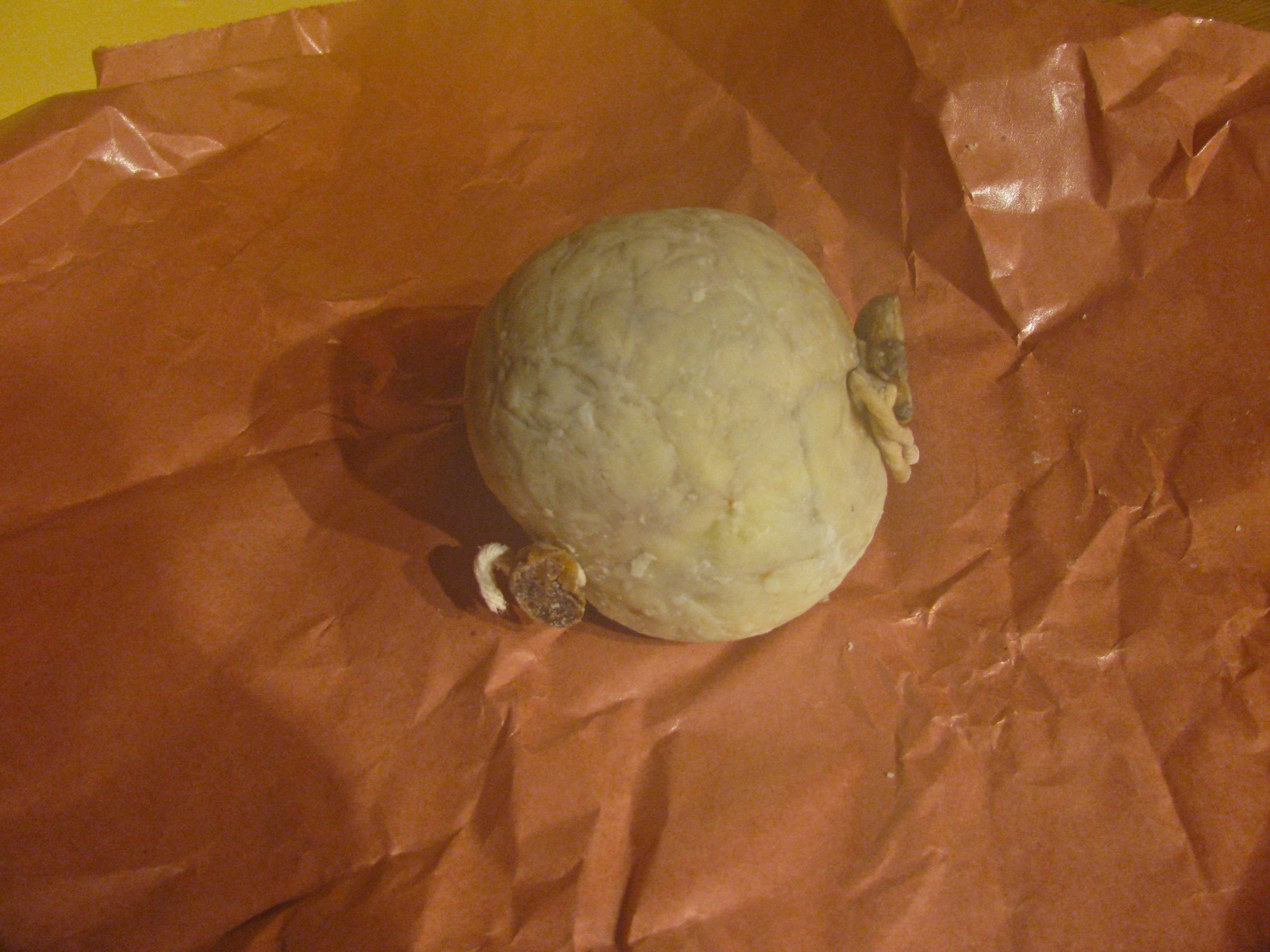
The tatties, cup-up neeps (swede/rutabaga), and the poor wee thing. Och, I just remembered calling neeps, tumshies when I was a bairn.

After about an hour at 400 F (haggis was wrapped in foil)

I’m sold on this method, even before tasting.

The full meal deal.

A confession, I like HP sauce with my haggis.
Beached
Phil Z. took this pic, somewhere near Campbell River.

Pintle hitch
I bought 2 of these at a government auction a few years ago. Gave one away and managed to bury the remainder under junk in the “workshop”. I wonder if I can machine an adapter so that it can fit in a regular receiver and retain the rotation feature. Just for no other reason than it looks cool.


2011 in review
The WordPress.com stats helper monkeys prepared a 2011 annual report for this blog.
Here’s an excerpt:
The concert hall at the Syndey Opera House holds 2,700 people. This blog was viewed about 55,000 times in 2011. If it were a concert at Sydney Opera House, it would take about 20 sold-out performances for that many people to see it.
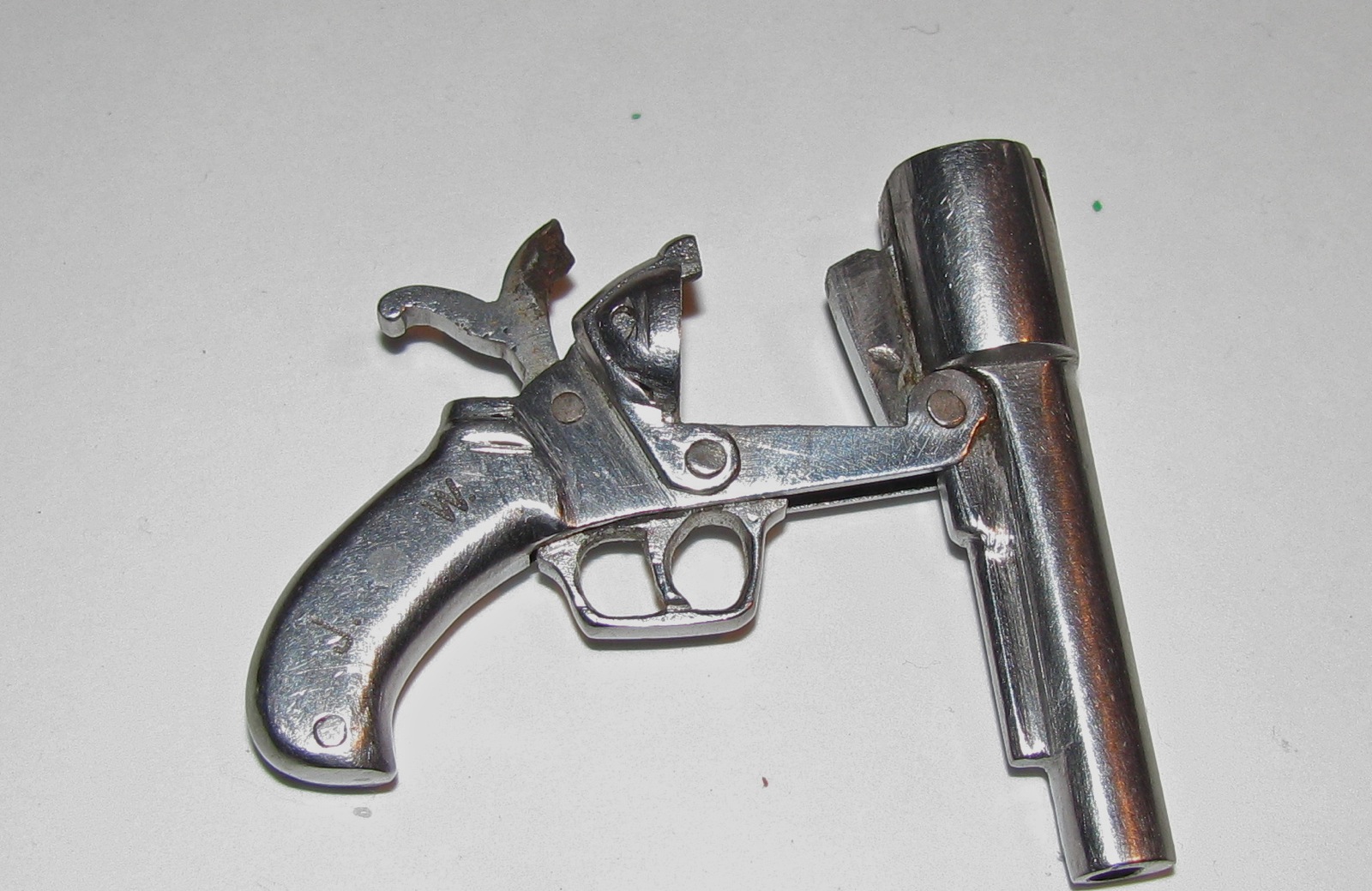
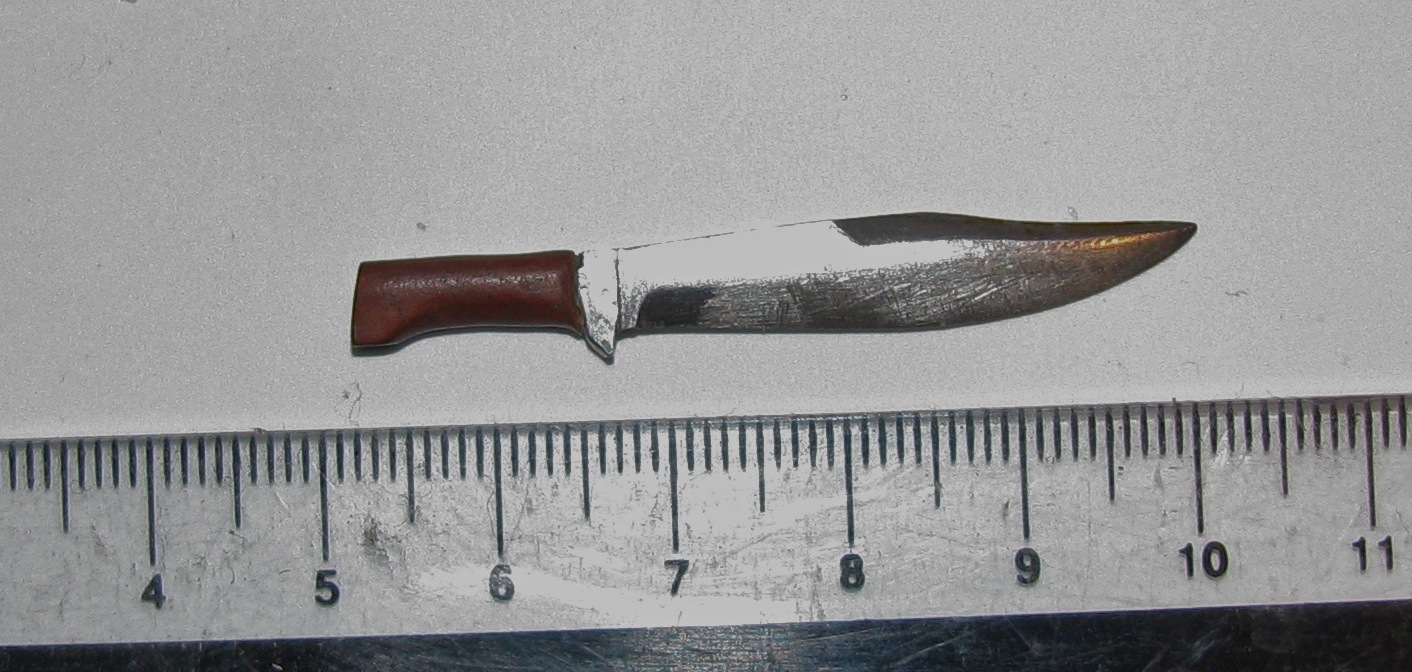
A couple of miniatures
Made back in the ’50’s, couple of examples of the early work of a long lost relative of mine. The pistol seems to be chambered for a .22 cal cartridge, a blank of course. The hammer cocks and the trigger and guard act as trigger.


Nostalgic
Except my old Beetle was pale blue and the rack was on the rear, but the skis were wooden.
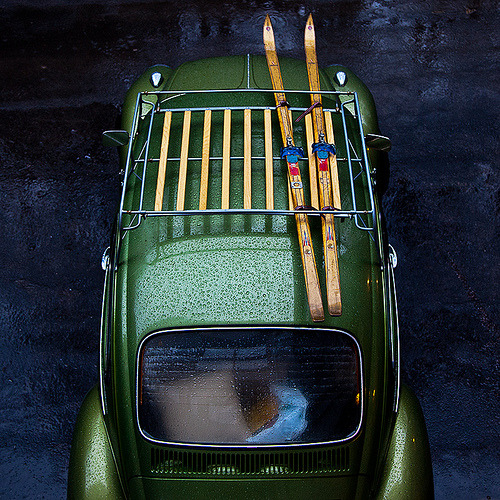
Here it is, Pine Pass in Northern BC, December 1978.

And my travelling companion, same place.

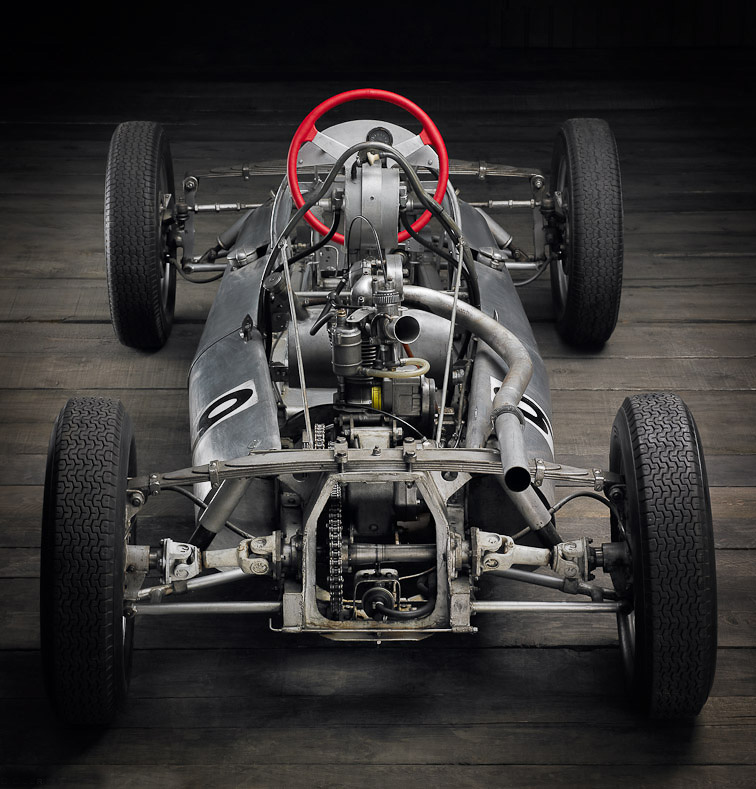
Cooper 500
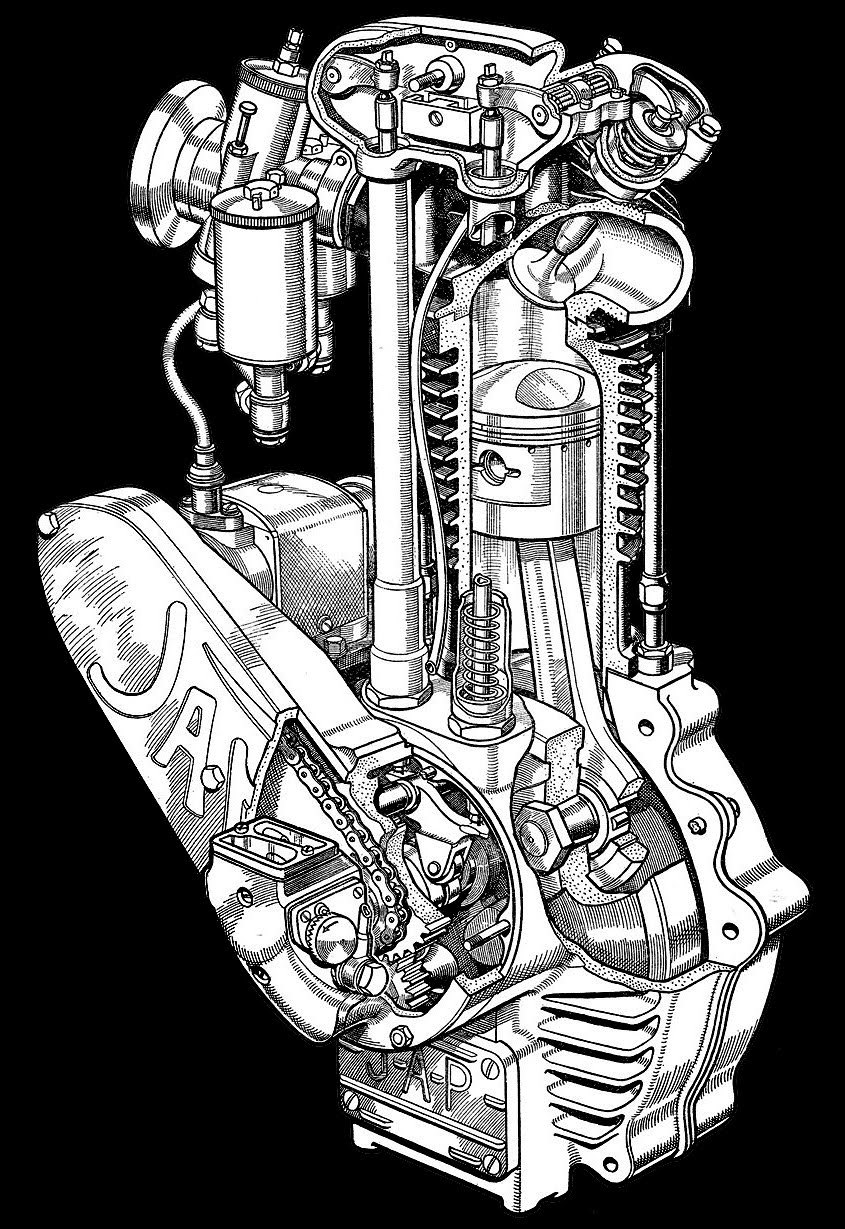
JAP 500cc motor, Formula 3, one of the first Cooper race cars. I notice the U-joints on driveshafts are not oriented 90 degrees apart.
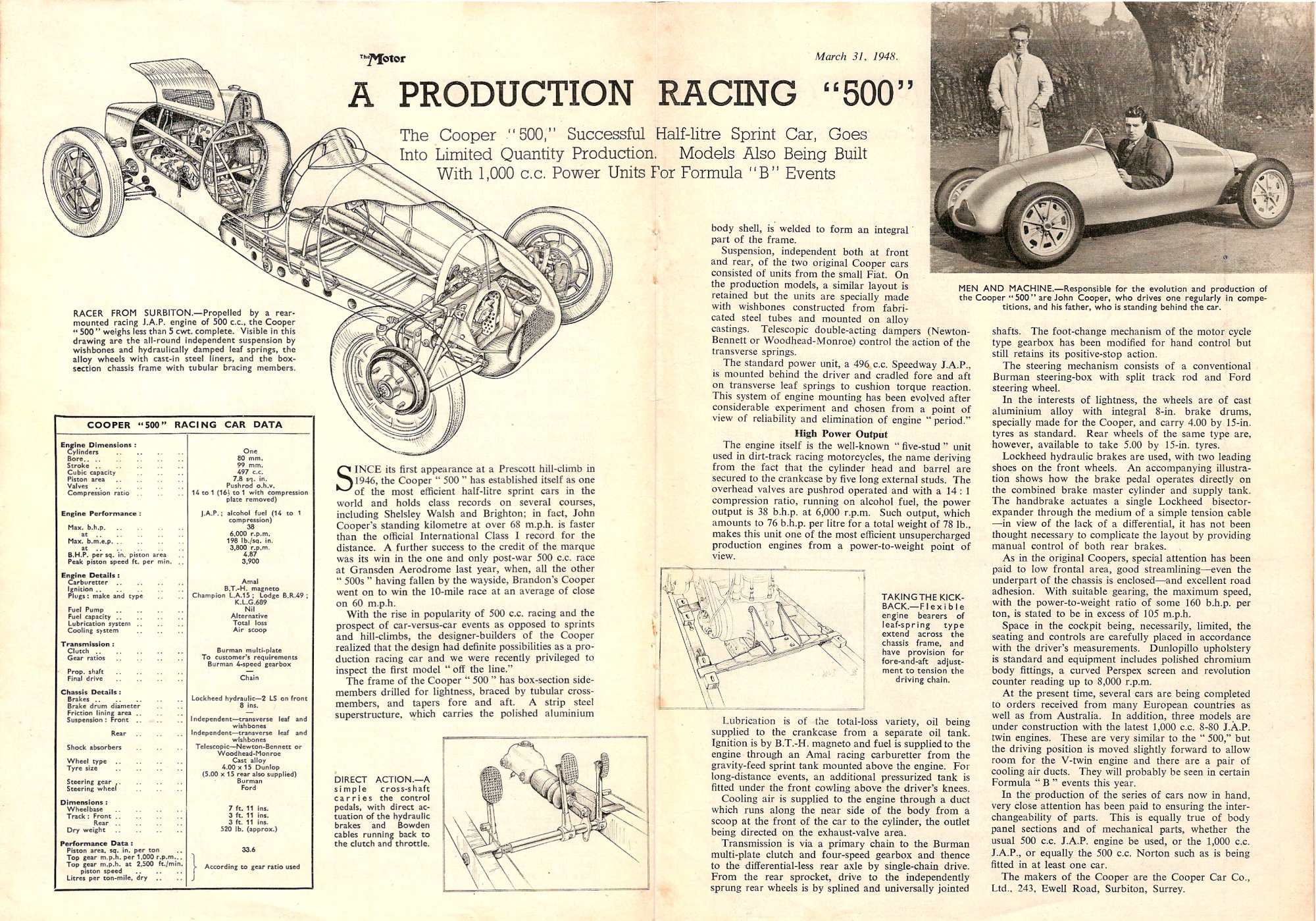
The JAP engine cutaway.
J. Clark and car
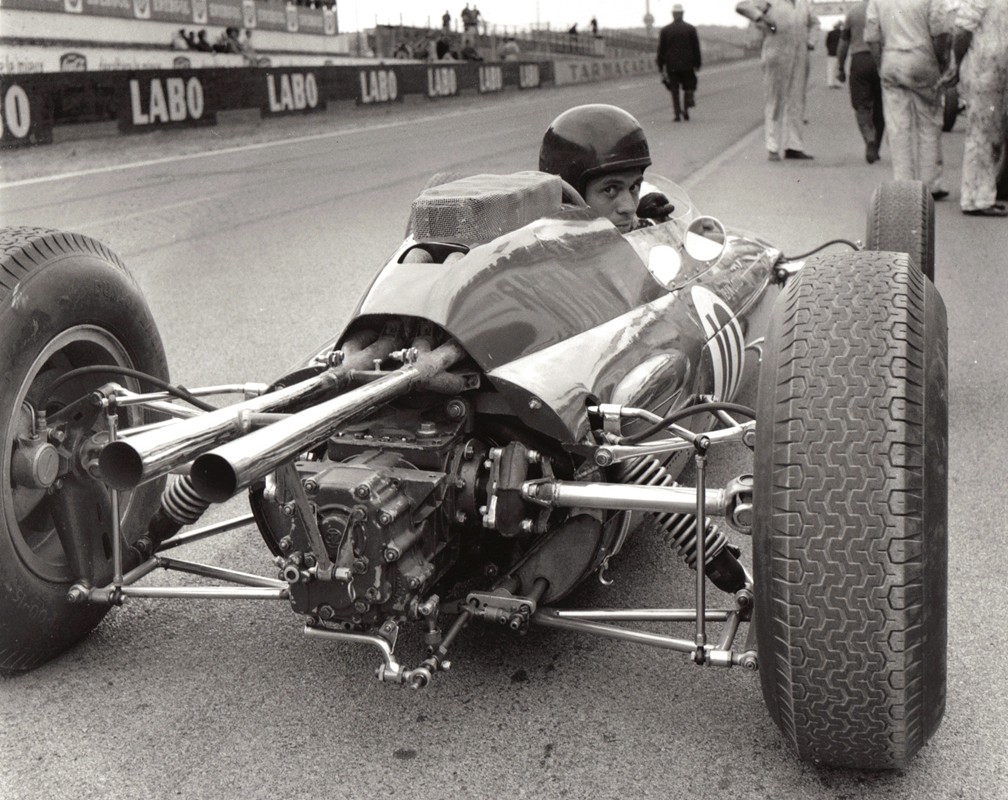
I don’t know what Formula car this is, but I find it interesting as it’s a good shot of the rear suspension and transmission. Notice the Giubo on the inboard end of the driveshafts.
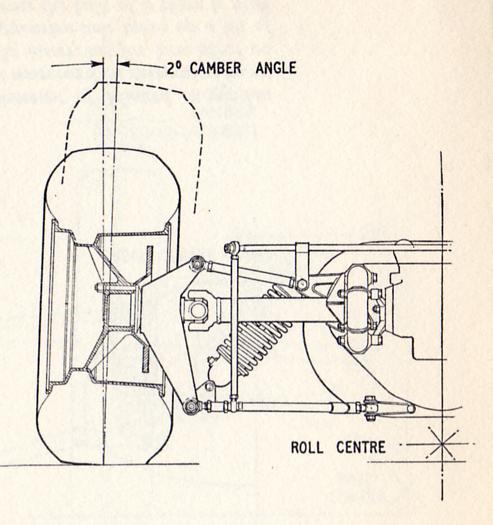
This diagram of the rear suspension of the Lotus 33 F1 car (and I’m not saying its the same as above car), doesn’t really shed more light on the inboard joint, but it is interesting.
Dodge Powerwagon and Johanson Lake
Omineca district, Northern B.C., 1978. Late 40’s (?) Dodge Powerwagon.

Here is an ad for the 1946 Powerwagon:

Johanson Lake

Google map ref for Johanson Lake
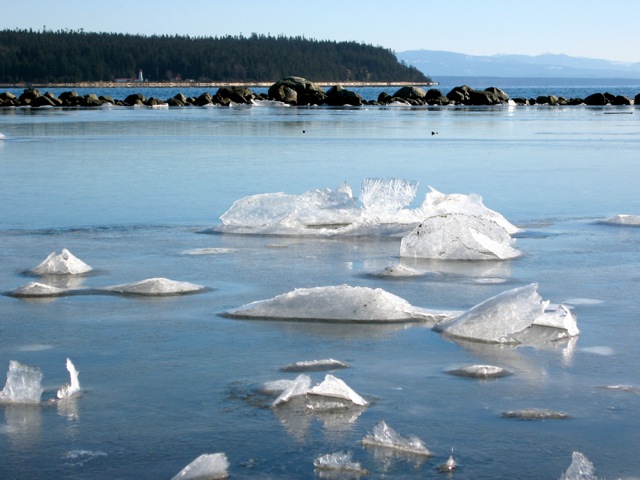
Icebergs at Campbell River
Phil Z. took these shots a few days ago. Global warming, feh 🙂

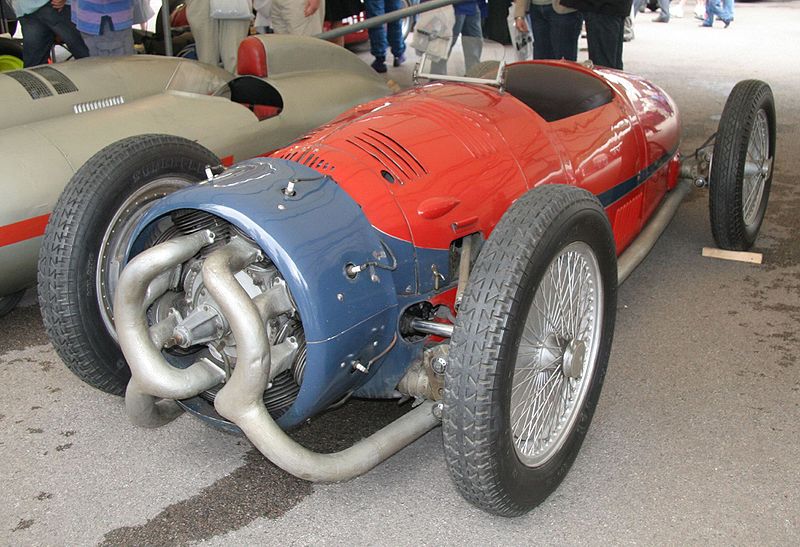
Augusto Monaco
From Wikipedia:
“Augusto Camillo Pietro Monaco (March 15, 1903 – November 4, 1997) was an Italian engineer, best known for his racing cars from the early 1930s.[1]
He was born in Buenos Aires where he earned a degree in engineering before relocating to Turin in the early 1920s, where he made his automobile engineering contributions
- 1927 Monaco-Baudo with Antonio Baudo, a 1-cylinder 500 ccm side-valved engine[2]
- 1932 Nardi-Monaco with Enrico Nardi, a front-wheeled 1-cylinder JAP-engine (998 ccm, 65 bhp) nicknamed Chichibio, and winning several hillclimbs[3]
- 1935 Trossi-Monaco with Carlo Felice Trossi, a 16-cylinder (250 bhp, 3982 ccm) racecar, never winning anything due to an unsuitable 75/25 weight distribution.[4]
Since then he declined an offer to join Fiat, and among several engineering projects, was involved in developing synthetic diamonds, a swiss-patented invention (1948). He moved to Livorno in the early 1960s, where he worked on hydraulic systems until his retirement. He passed away in Livorno, 1997.”
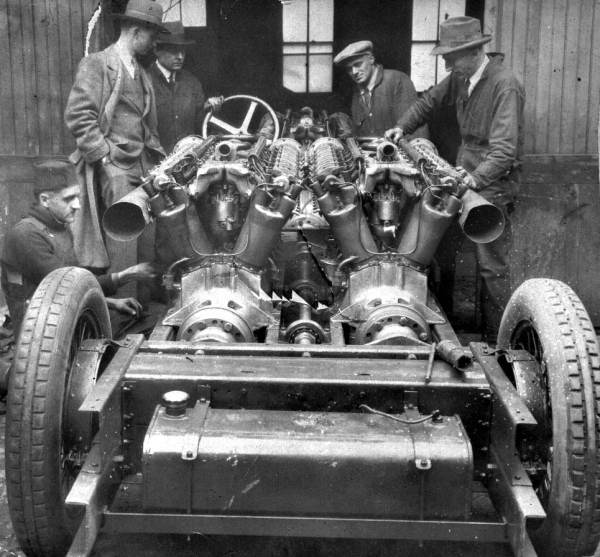
More cowbell
Update: its the “White Triplex”, see Wikipedia entry.
That surely can’t be the petrol tank in the back there can it?
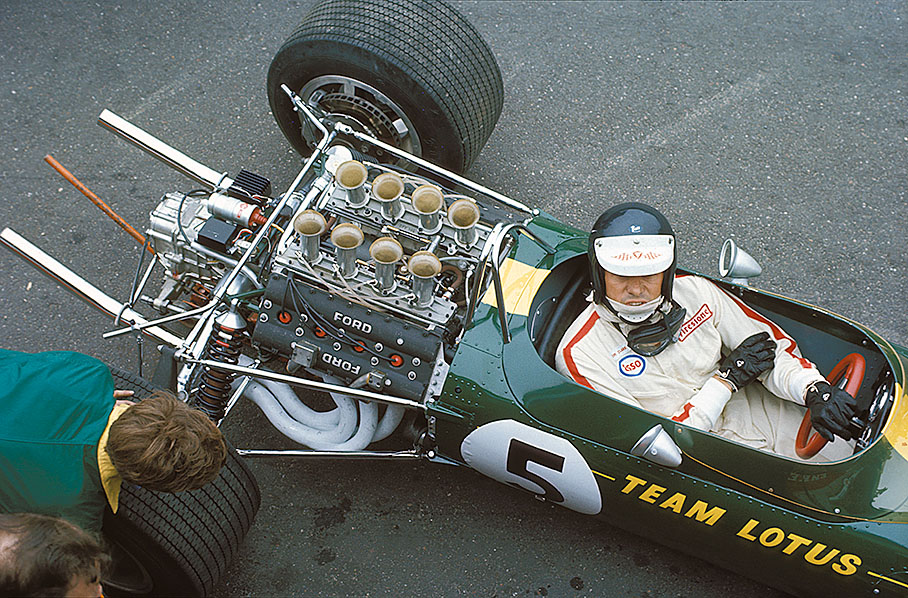
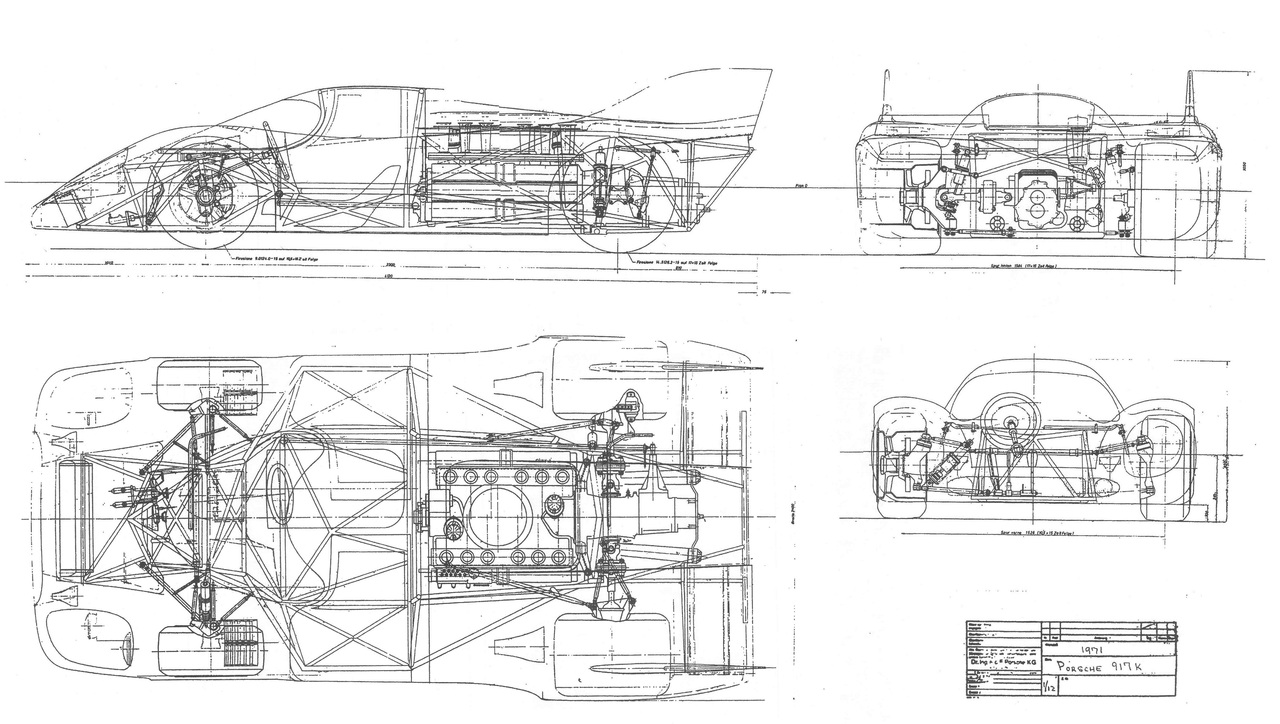
Porsche 917K plans
Amongst other things, look at the pedal placement, I think perhaps the 908 had them even further forward.
1965 Targa Florio
J. Arnott sent me the link to this video of the 1965 Targa Florio. For sure, a different era.

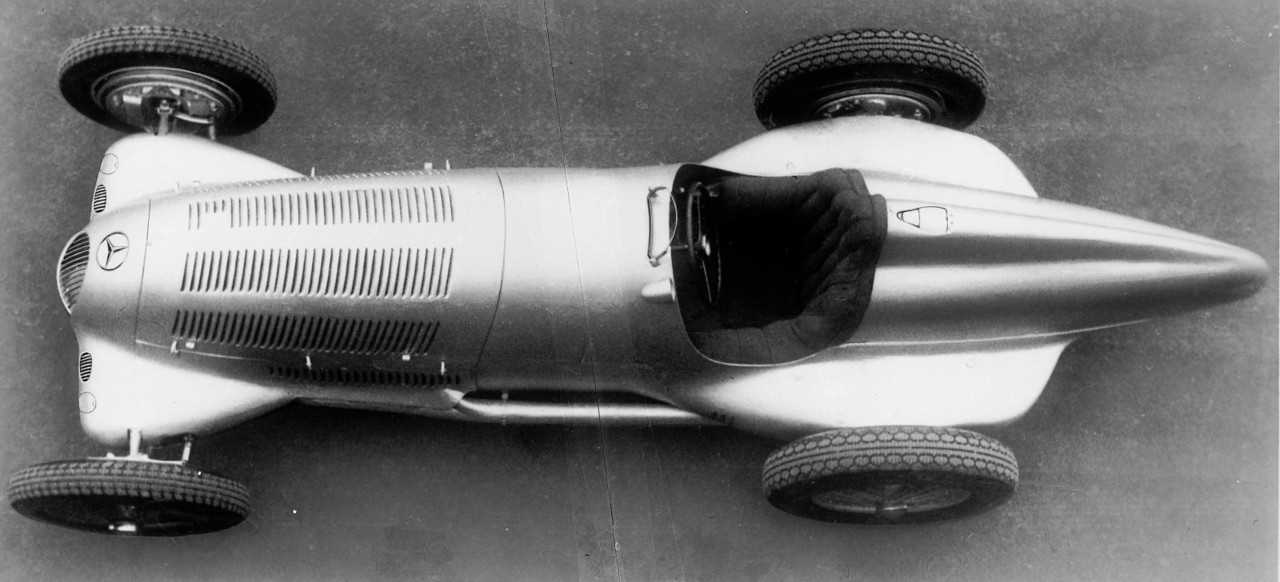
MB Silver Arrow
The shape helps me forget the brake caliper fiasco.
3 weeks later
Same pond but 3 weeks later (recent cold snap).
Porsche 917
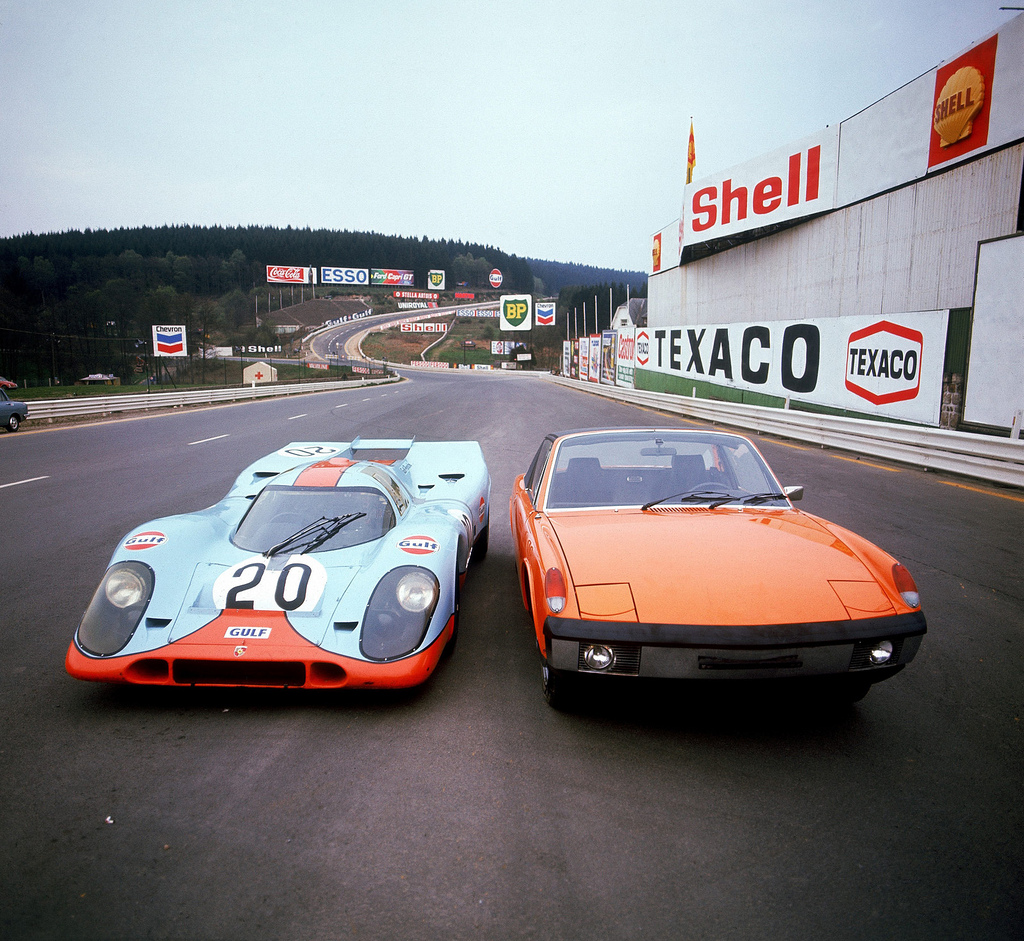
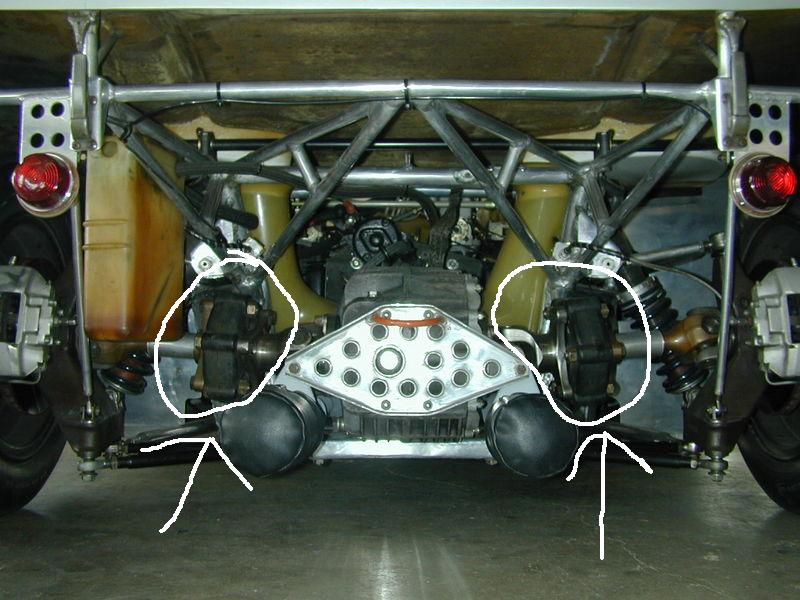
I couldn’t resist swiping these pics and posting them. One of my all time favourite cars, and I’m always surprised at how small it is, the side by side picture with 914 really shows that. The picture of the rear suspension shows the 2 rubber “giubos” (see note at end of post) on the driveshafts, big brothers to the giubo found in the syncro prop shaft. YouTube vid has Derek Bell having another go.
Note on Giubo – from an Alfa Romeo mailing list:
To:
Subject: Giubo spelling and pronunciation
From: “John Hertzman”
Date: Tue, 17 Jun 2003 07:19:49 -0400
Cc:
Content-type: text/plain; charset=”us-ascii”
Reply-to: “John Hertzman”
Sender: owner-alfa@xxxxxxxxxx
Anthony White writes “I have a suspicion that the vernacular spelling
accompanies a vernacular pronunciation: guibo, pronounced ‘gwee-bo’, as
opposed to giubo, pronounced something like ‘joo-bo’, following the
pronunciation of Giulietta. I’d be interested to know how others pronounce
this.”
In Italy, and presumably in Heaven (if indeed they are not the same place) I
believe “something like ‘joo-bo'” is the first,if not only, choice. Searching
my personal digest archives I found this, from AD7-061, 26 Aug 1998:
“Il Topo recently sent me a photocopy of a hand-written letter, 24 maggio
1986, by GianPaolo Garcea, a singularly literate engineer who was one of
Orazio Satta’s right-hand men as Assistant Director of the Design and
Experimental Department. The letter, with lavish freehand illustrations,
confirms and elaborates on what Topo had previously told me and others, that
“the ing. Boschi had invented and patented the elastic joint (giunto) and
later formed his firm GIUBO SpA, which manufactured the first giubos for the
1900. ‘GIUBO’ = GIUnti Boschi = Boschi joints, and the pronunciation is
(gee-yew-bow or jew-bow).” That is the straight squeak from what is, as far
as I know, the last surviving purebred Portello mouse.”
The person I irreverently called Il Topo in those days (from previous
references to “the oldest rat in the barn”) is Don Black, who had met Dr.
Boschi when he was working at Portello in the sixties. Black’s friend and
mentor GianPaolo Garcea, who was a design engineer at Portello from 1935 to
1982, thus spanning from the late Jano era to the late Hruska era, is the
author of a memoir “La Mia Alfa”. It is a singularly charming work, presented
with the printed text and photos on the right-hand page and the beautifully
handwritten manuscript and illustrative sketches on the left-land page. I
suppose it is an anachronism, writing and engineering without typewriters and
drafting machines, let alone computers, but there once were engineers who
didn’t need spellcheckers, and this book is a window into that world, for
those who may be interested.
Later in my digest archives I found this, from AD7-715, 14 May 1999, from the
late Fredissimo:
Subject: GOO-EEBOS?
“What the hell are GUIBOS? I wonder if you mean GIUBOS = GEE-OOBOS. Sorry
but it irritates me when the wrong names are used for Alfa parts. At a parts
store in Italy they would not understand. Fred DI Matteo”
I also found earlier references to Boschi in letters from both Black and Fred,
but didn’t look them up (time presses) but guess that Fred’s initial chewing
me out as a proxy for Don was in off-digest correspondence; but from the
on-digest evidence it was gee-yew-bow or jew-bow at Portello, and something
like GEE-OOBO at the parts counter.
Ralph DeLauretis asks “Does anyone know why Alfa when they designed the Alfa 6
sedan they re – designed the Alfetta sedan platform to accept a front mounted
tranny? Did they realize their mistake? Cut costs? Anyone know?”
My impression (haven’t looked for the source) is that something Don Black
wrote said either that the design of the Sei either preceded or was concurrent
with that of the Alfetta. It was not unusual for a project to be shelved,
either temporarily or permanently, to concentrate limited resources on a
prospectively more lucrative mass-market product. The Sportiva and Giulietta
are such a pair. I am fairly certain, on nothing more than intuition, that the
Alfetta engine bay was initially dimensioned to accept the V6, which was not a
fresh design when it reached production. But that is guessing.
John H.
 shooftie